
Body of Work
Revision, fan fiction, homage

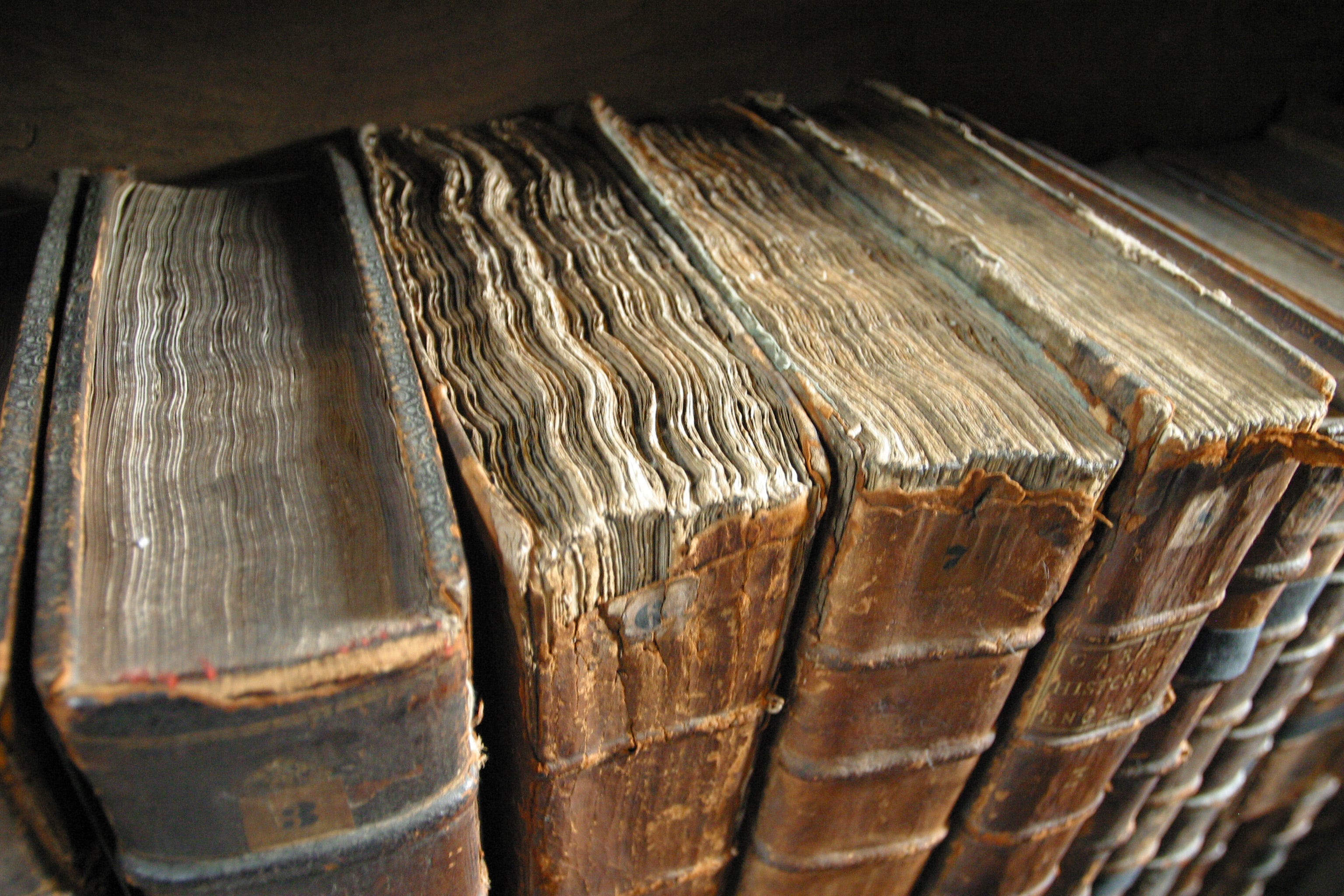
At the revision workshop I attended earlier this month we needed a metaphor for the central connector that ties a book or manuscript together. Steve Almond, the writer leading our workshop, called it “the trellis.” It’s a piece of scaffolding that the writer uses to build upon. My late colleague in the Women Writing Women’s Lives seminar Dona Munker called it “the red thread.” It’s also then a guide for readers to follow, like a through-line. I have been thinking of it as a spine. It holds the parts together and creates a structure for the whole. I especially like my metaphor because books, like bodies, do have spines, as seen in the image above.
I have been leaning on these metaphors as I revise my memoir manuscript based on the feedback I received at the workshop. Overall, that feedback was to stick closer to the parts about my father, his art, his secret, and their effects on me growing up, instead of including so much family history and research. So I started the revision by reading through the whole manuscript and tagging parts to delete and parts to connect more tightly to that core. There would still be work to then narrow down and identify more clearly what I wanted to say about my father and his art (what is driving this search for his paintings? my readers asked), but first I’d ditch whole sections on my grandfather’s design career, my father’s brother, my self-conscious asides about the writing process…. I’d clear away the clutter.
That pass was hard. If my metaphor for the central connector is the spine, then this felt less like pulling weeds or pruning branches and more like lopping off limbs. These were pieces I loved, even when I admitted that they didn’t fit. The shaping felt sculptural, to build mass in one direction over another. I still don’t have a strong enough hold on the memoir’s trellis/spine, but I am getting there. I have a better feel for what belongs and what doesn’t, even if I can’t fully articulate it yet. That’s okay. Articulating happens on the page and I’m still working on that. It will be slow, and feel organic, I hope. Both the gardening and corporeal metaphors are organic.
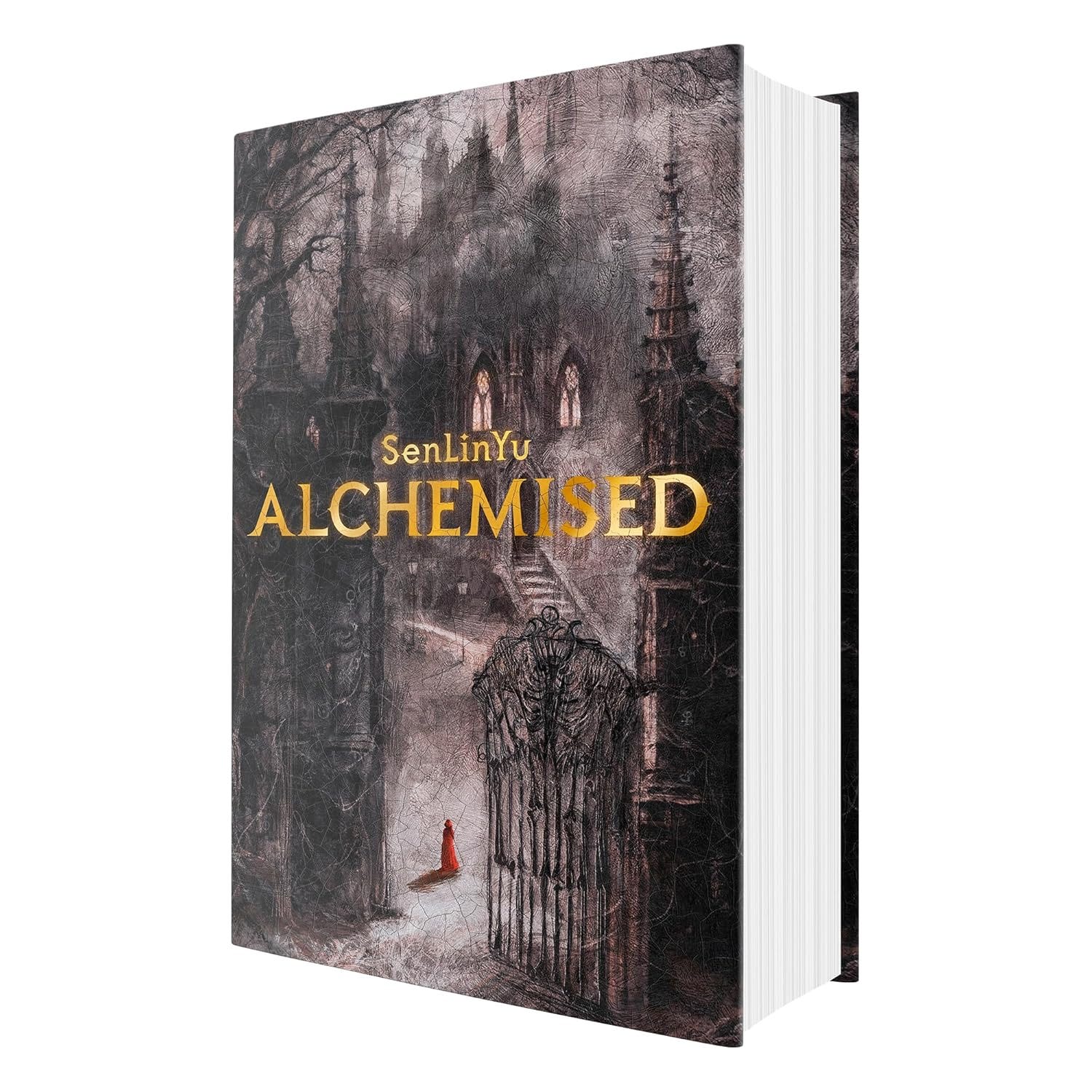
While revising this week I’ve also been reading SenLinYu’s Alchemised, a recent science fiction/fantasy novel adapted from an enormously popular fan fiction Sen wrote called Manacled. I picked it up out of fascination with the problem she faced. Fan fiction exists in a weird virtual gray zone. Most authors whose work is adapted by fans don’t really go after them for copyright infringement because the work isn’t for sale. Sen’s novel had some twenty million downloads from internet sites, but it imagined a romance between Harry Potter’s Hermione Granger and Draco Malfoy so it wasn’t legal to publish with those characters. Sen got a book deal to rewrite the original novel without the intellectual property from Harry Potter, and that new novel was published in September as Alchemised. How would that work, I wondered? What is essential about Sen’s story versus what was taken whole cloth from J.K. Rowling? Sen’s book was already, in some ways, a revision of Rowling’s. How do you alchemize the fan fiction into a new original? Curious, I read the 1,000-plus-page book over the last week or so. It was slow going at first, in part because I was put off by all the physical suffering the heroine, Helena, endures. She is a healer in war time so there are a lot of wounds and (advance warning) much more torture than I would like to read about.
Alchemised stays close to its heroine’s third person point-of-view and chronicles her efforts to support a Resistance effort during a civil war in a dystopian magical world. Helena is an outsider and a good student at a magical academy (like Hermione at Hogwarts) but otherwise distinct. Kaine is an aristocratic member of the evil invading forces. He has silver hair and a bad relationship with his evil father, but is otherwise a different villain than Rowling’s. Like all genre fiction, there are lots of resonances (a word that is key to Alchemised) with other books, but it certainly felt new too. Sen’s revision must have entailed other more structural cuts and moves in addition to the character changes. I found myself thinking about that spine as I read because Sen’s story is intensely physical — as an alchemist and healer Helena can reach into bodies to staunch blood loss and knit bones or tissue together. The civil war is being fought by Undying soldiers, corpses animated by necromancy. There’s a lot of death, blood, and gore, then some magical regeneration, then the cycle starts over. It’s a deeply messy book, and told out of chronological order. Helena herself is its spine.
This idea led me by association to the iconic image by Man Ray of a woman’s bare back as a violin. I found the photograph online in the Getty Museum’s collection, but it’s under copyright itself so I will link to it instead of reproducing it here. The model was called Kiki. Her vertebrae are invisible between the f-shaped figures Ray drew on the print; her arms are missing. It’s a visual joke and also a sort of defacement (she is in profile). By calling it “Le Violon d’Ingres,” Ray was re-imagining earlier nudes by the painter Ingres that had influenced him. In other words, it is a homage, a revision, fan photography. The woman’s body is the spine, a shared obsession of both men, displayed in different contexts and media.
In my own revision I’m trying to figure out where to expand the text as well as cut back. My readers wanted more of me in the memoir, as well as less of my father’s family.1 Specifically, my readers wanted me to share more of my feelings to bring them along emotionally as well as journalistically. When I found my father’s painting at the Brandeis College library, how did that feel?2 How did it feel to grow up with his portraits staring down at me from the walls? I am not sure how to answer those questions, and I thought I was present enough already. But perhaps not in the way they wanted. They seem to want less Victoria the academic and more Vicky the daughter. After all, I am what makes the book memoir and not biography so the balance may need to shift. When I wrote and taught personal essays I used to say that the “I” was what held the writing together, the thinking and feeling self. I need to turn myself into a more visible I, a vertical column composed for the page, a spine.
Here’s the spine of this piece: the cuts and grafts of revision feel like surgery on a living body, but it is not a mutilation, even when it’s painful. The making of something new from something else is complex and magical; it’s alchemy.3 Maybe for me that process in writing has usually been more analytical than emotional. But I could be wrong. Or I could change.
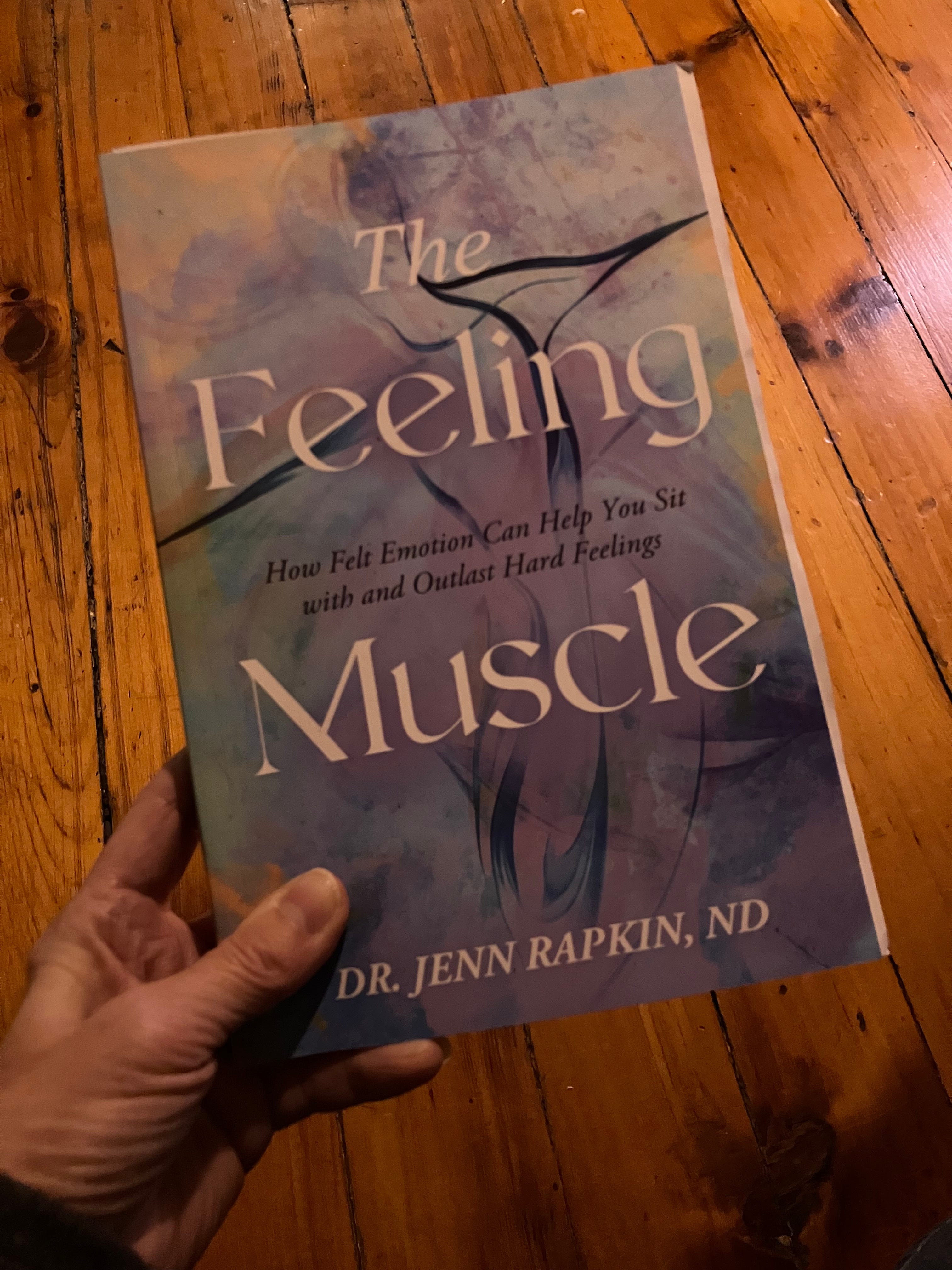
This through-line naturally brings me to The Feeling Muscle, a new book by Dr. Jenn Rapkin. I was an early reader and editor for Jenn and admire her book, which argues that thinking and feeling are not so distinct. What do you think? To be continued!
They also wanted more of my mother, though I explained that I would like to respect her privacy as much as I can.
Amazingly, one of my workshop readers lives in Boston and followed my footsteps to look for my father’s painting in that library. It wasn’t there. I don’t know why. I wrote in my memoir about my research making me a part of the archive myself but I’m also leaving breadcrumbs for others to follow.
I haven’t seen del Toro’s Frankenstein yet but it seems apropos here. And relevant to my co-written vampire novel, which is a mashup of Dracula, and thus a sort of fan fiction too.
It is interesting to read about your revisions. The spine idea resonates with me and I think that cutting, and the killing our darlings, as hard as it can be, can be a good process. You could also possibly turn some of those cuts into standalone pieces!
This is a wonderful piece of writing on writing. I've read it twice already. I'm wondering if you know the online magazine, After the Art, edited by the excellent writer Randon Noble Billings? It's gorgeous: publishes pieces about reading and art (that is oversimplified). I thought you might take a look at it as a possible home (or body :) for some of the limbs you cut from your manuscript.
Steve Almond is so smart about writing, envious of your workshop with him!
Here's the After the Art website if you are interested
https://randonbillingsnoble.com/after-the-art/